Erigeron karvinskianus
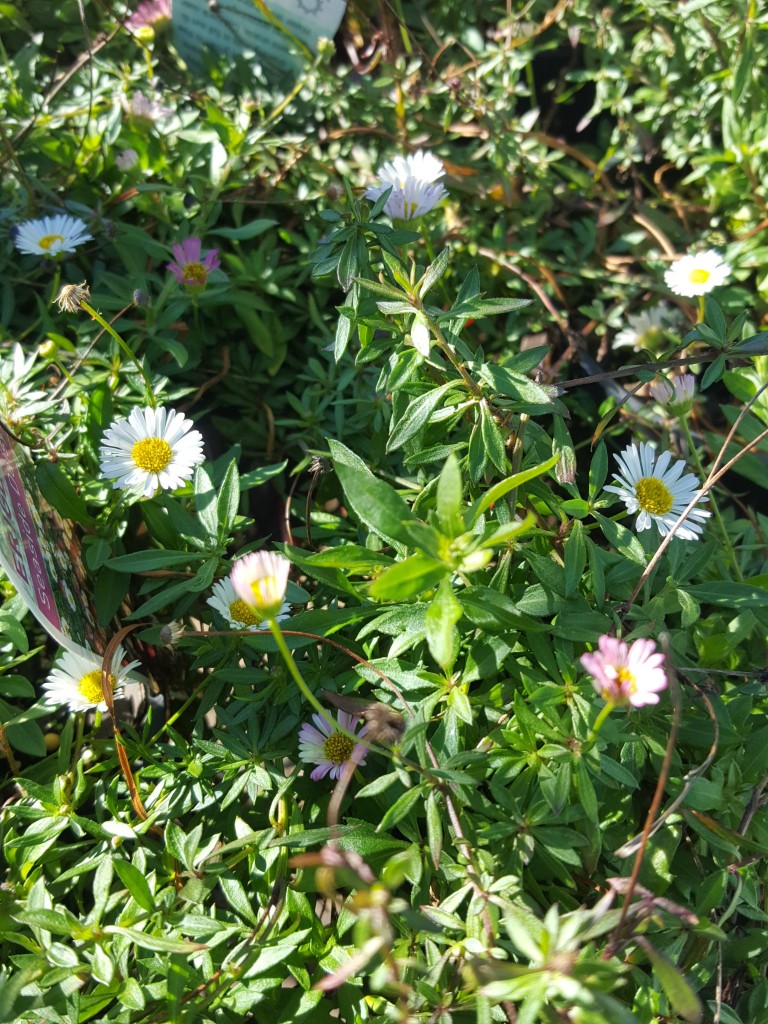
The Seaside Daisy is a low-growing, evergreen perennial. It features fleshy, gray-green leaves that form a dense mat, providing excellent ground cover. From late spring through summer, it produces abundant daisy-like flowers with lavender to pinkish-purple ray florets surrounding a yellow center, each bloom measuring about 2.5 to 4 centimeters in diameter. This hardy plant typically reaches heights of 15 to 30 centimeters and spreads up to 60 centimeters, making it ideal for rock gardens, coastal landscapes, or as an edging plant. The Seaside Daisy thrives in full sun to partial shade and prefers well-drained soil. It is both drought and salt-tolerant, making it particularly suitable for coastal gardens.
Seaside Daisy (*Erigeron karvinskianus*) thrives in full sun to partial shade. This low-growing, spreading perennial is ideal for borders, rock gardens, or as a ground cover on slopes and walls. Its delicate white and pink daisy-like flowers create a soft, natural look. Ensure the planting site has well-draining soil, as Seaside Daisy does not tolerate overly wet conditions and prefers a dry, sunny location.
Seaside Daisy is well-suited to temperate to coastal climates and can tolerate light frost. It grows best in temperatures between 10°C and 25°C and is highly drought-tolerant once established. This hardy plant blooms prolifically from spring to autumn, providing extended seasonal color with minimal care.
Plant Seaside Daisy in well-draining soil. It adapts well to various soil types, including sandy and loamy soils, and tolerates poor, rocky soils. The ideal pH is slightly acidic to neutral (6.0-7.0). Adding a small amount of compost can improve soil quality but isn’t strictly necessary, as Seaside Daisy is adaptable to lean soils.
Feed Seaside Daisy sparingly, as this plant typically thrives without much fertiliser. A light application of balanced, slow-release fertiliser in early spring can support initial growth, but excess fertiliser may reduce flowering. In general, Seaside Daisy prefers low-nutrient conditions.
Water Seaside Daisy sparingly, especially after it’s established. It is drought-tolerant and only needs occasional deep watering during extended dry periods. Avoid overwatering, as it prefers drier conditions.
Trim back faded blooms and spent flower stems to encourage more blooms and maintain a tidy appearance. In late winter, a light trim can refresh the plant and prepare it for the growing season.
Seaside Daisy is resistant to most pests and diseases. Its tough, resilient nature makes it low-maintenance, though good air circulation will help prevent any minor fungal issues in humid conditions.

Indoor and Foliage Plants, Climbers, Trailing and Ground Covers

Climbers, Indoor and Foliage Plants, Trailing and Ground Covers

Trailing and Ground Covers, Indoor and Foliage Plants

Flowers and Foliage Colour, Trailing and Ground Covers

Climbers, Indoor and Foliage Plants, Trailing and Ground Covers

Flowers and Foliage Colour, Trailing and Ground Covers

Flowers and Foliage Colour, Trailing and Ground Covers

Climbers, Trailing and Ground Covers

Trailing and Ground Covers

Climbers, Trailing and Ground Covers

Gold Coast Web Design by Redfox